
Keeping your pool safe is the single best way to protect everyone who uses it. This guide walks Florida homeowners through the key safety features for new pools — state rules to follow, practical choices that reduce risk, and simple steps to keep your family and guests safe. Read on for clear guidance about fences, alarms, covers, non-slip decking, and emergency gear so you can make confident, code-compliant decisions for your new pool.
What Are Florida’s Pool Safety Regulations and Upcoming 2026 Requirements?
Florida has specific laws that aim to lower drowning risk around residential pools. These rules focus on barriers and alarms that stop unsupervised access, especially by young children. If you’re planning a new pool, understanding these regulations now will help you avoid surprises when you build.
What Does Florida Statutes Chapter 515 Require for Residential Pools?
Under Florida Statutes Chapter 515, residential pools must have effective barriers — commonly fences — at least 4 feet tall and fitted with self-closing, self-latching gates. The statute also requires an alarm system to alert homeowners to unauthorized pool access. Meeting these requirements isn’t just about compliance; it’s a proven way to make your pool area safer.
How Will the 2026 Florida Pool Safety Law Affect New Pool Owners?
The 2026 law tightens standards for new pools, calling for stronger fencing and more capable alarm systems among other updates. The goal is fewer accidents and clearer expectations for builders and homeowners. If you’re installing a pool now, plan for these changes so your project meets tomorrow’s rules as well as today’s.
Which Pool Fence Requirements Ensure Safety and Compliance in Florida?
A secure pool fence is one of the most effective ways to prevent unsupervised access. It physically separates the pool from the yard and gives parents and caregivers an extra layer of protection. Knowing the specific fence requirements helps you choose the right product and installation.
What Are the Minimum Height and Material Standards for Florida Pool Fences?
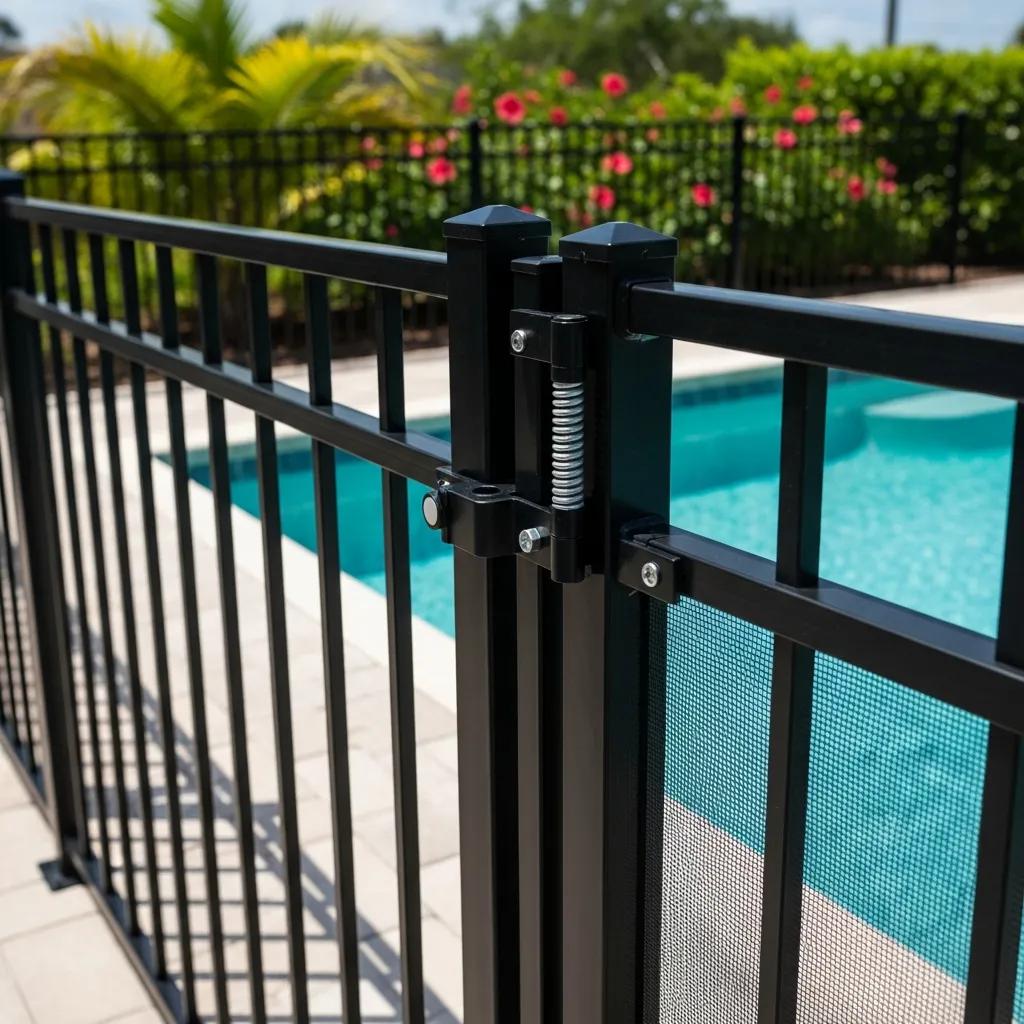
Florida requires pool fences to be at least 4 feet tall and built from weather-resistant materials like aluminum, vinyl, or wrought iron. Fences should have no openings larger than 4 inches to reduce the chance of a child slipping through. Choosing durable materials and a professional installation gives you both safety and long-term value.
How Do Self-Closing and Self-Latching Gates Enhance Pool Safety?
Self-closing, self-latching gates cut down on accidental access by closing on their own after someone enters or leaves the yard. The latch should be mounted out of reach of small children — commonly at least 54 inches above the bottom of the gate — so only adults can open it. These features are simple but very effective at preventing unsupervised pool entry.
How to Select the Best Pool Alarms for Your New Florida Pool
Pool alarms give you an immediate alert if someone enters the water or opens the pool area. They’re not a replacement for supervision, but they are an important part of a layered safety plan. Pick a certified system and test it regularly.
What Types of Pool Alarms Meet ASTM F2208 Standards?
Look for alarms that meet ASTM F2208. Common, reliable options include surface wave alarms, which sense water disturbances, and submersible alarms that trigger when something displaces water. Certified alarms give you confidence that the device meets recognized performance standards.
How Do Surface Wave and Submersible Alarms Protect Your Family?
Surface wave alarms detect ripples or splashes on the water’s surface; submersible alarms react to the movement of an object or person entering the pool. Each catches different kinds of incidents, so using the right type — or a combination — strengthens your overall protection and provides faster alerts if something goes wrong.
What Are the Benefits of Safety Pool Covers and How to Choose Them?
Safety covers block access to the pool when it’s not in use and can prevent accidental falls. They’re a practical option for homeowners who want a strong, passive safety measure that also cuts down on debris and maintenance.
What Are the Differences Between Mesh and Solid Safety Pool Covers?
Mesh covers let rainwater drain through while keeping people and animals out — they’re lighter and easier to maintain. Solid covers form a complete barrier to debris and light, which can be useful in certain climates. Your choice depends on how you balance maintenance, water management, and overall protection.
Why Is ASTM F1346 Certification Important for Pool Covers?
ASTM F1346 certification means a cover has been tested for strength and safety performance. A certified cover is designed to resist weight and prevent unauthorized access, giving you dependable protection around the pool. For safety, always choose a certified option installed to the manufacturer’s specifications.
Which Non-Slip Pool Deck Options Provide Maximum Safety Around Your Pool?
Wet surfaces increase the risk of slips and falls, so the decking you choose matters. Select materials and finishes that provide traction and stand up to Florida’s climate and frequent wet conditions.
What Materials Offer Effective Slip Resistance for Florida Pool Decks?
Good non-slip decking options include textured concrete, rubber pavers, and certain natural stones with a slip-resistant finish. These choices offer traction when wet and are relatively easy to care for. Think about durability, maintenance needs, and how the material looks with your home.
Make sure materials are tested for wet slip resistance — that testing is a key step in preventing pool-side accidents.
Wet Slip Resistance for Pool Decking & Flooring
This study looks at whether tested flooring products are appropriate for wet environments or should be labeled for dry use only. It references ANSI A326.3 — the American National Standard Test Method for Measuring Dynamic Coefficient of Friction of Hard Surface Materials — and related research on wet slip resistance for plastic-based flooring (PBM Flooring), 2019.
How to Maintain Non-Slip Surfaces for Long-Term Safety?
Keep non-slip decks effective with routine cleaning to remove algae, dirt, and debris that make surfaces slick. Inspect for cracks, wear, or areas where texture has worn smooth, and repair or replace sections as needed. Periodic professional testing or re-sealing can extend the life and grip of your deck.
What Emergency Pool Safety Equipment Should Every Florida Home Have?
Emergency gear gives you the tools to act quickly if someone is in trouble. Keep essentials visible and accessible so anyone can reach them in a crisis.
Which Life-Saving Tools Are Essential for Poolside Safety?
Keep a life ring, a reaching pole (shepherd’s hook), and a stocked first aid kit by the pool. A life ring can be thrown to someone struggling in the water; a reaching pole lets you help from the deck without entering the pool. Store these items where everyone can find them fast.
How Does CPR Training Complement Pool Safety Measures?
CPR training is one of the best investments a pool owner can make. In a drowning emergency, quick, confident CPR by a bystander can save a life. Many local organizations offer courses — and refreshing your skills regularly is a good habit for anyone who spends time around the pool.
| Safety Feature | Description | Compliance Requirement |
|---|---|---|
| Pool Fence | Minimum height of 4 feet, self-closing and self-latching gates | Florida Statutes Chapter 515 |
| Pool Alarm | Surface wave and submersible alarms that meet ASTM F2208 standards | ASTM F2208 Compliance |
| Safety Cover | Mesh or solid covers that prevent access when the pool is not in use | ASTM F1346 Certification |
| Non-Slip Decking | Textured surfaces that provide traction | No specific regulation, but recommended for safety |
| Emergency Equipment | Life rings, reaching poles, first aid kits | Recommended for all pool owners |
This table highlights the core safety features and the standards they should meet, making it easier to compare options and confirm compliance for your new pool.
In short, building a safe pool is about combining code-compliant barriers and alarms with practical choices — good covers, non-slip decking, visible emergency gear, and trained people. Take each step now and you’ll enjoy your pool knowing you did everything to protect your family and guests.
Frequently Asked Questions
What should I consider when choosing a pool safety fence?
Focus on height (at least 4 feet), material durability, and gate safety. Make sure gaps are no larger than 4 inches and that gates are self-closing and self-latching. Think about maintenance and how the fence will look with your home, but always prioritize features that reduce access for small children.
How can I ensure my pool alarm is effective?
Choose alarms that meet ASTM F2208 and pick the right type for your setup — surface wave alarms for water disturbance and submersible alarms for direct entry detection. Test the system regularly, replace batteries on schedule, and make sure everyone in the household knows what the alarm sounds like and what to do when it goes off.
What maintenance is required for safety pool covers?
Keep covers clean and free of debris, check for tears or stretched straps, and ensure mesh covers drain properly. Repair or replace damaged covers promptly and store them dry when not in use. Proper care keeps covers reliable and extends their lifespan.
What are the best practices for maintaining non-slip pool decks?
Regularly clean the deck to remove algae and dirt, use appropriate cleaners or pressure washing when needed, and inspect for worn or smooth spots. Address cracks and surface damage quickly, and consider re-applying non-slip treatments as recommended by the manufacturer.
How can I prepare for emergencies around the pool?
Keep life rings, reaching poles, and a first aid kit in plain sight and within easy reach. Make sure everyone knows where the equipment is stored and practice emergency steps with family members. Take CPR and first aid classes so you can respond confidently if an incident happens.
What role does CPR training play in pool safety?
CPR training equips you to act immediately after a drowning incident — a critical window where quick action matters most. Being trained increases survival chances and complements physical safety measures. Refresh your skills periodically to stay prepared.
Get A Free Quote