Frequently Asked Questions
Is pool resurfacing covered by insurance?
Pool resurfacing is generally not covered by standard homeowner's insurance, as it's considered routine maintenance or an upgrade.
Does resurfacing a pool fix leaks?
Resurfacing a pool can address minor leaks, but significant structural damage or plumbing issues require separate repairs before resurfacing for a lasting solution.
What is the elevation of Sarasota, FL?
The elevation of Sarasota, FL is approximately 16 feet above sea level. This coastal elevation influences local climate and storm surge potential.
How much does it cost to resurface my pool?
The cost to resurface your pool depends on size, material choice, and project complexity. Contact Florida Family Pools for a personalized quote.
Pool resurfacing how to?
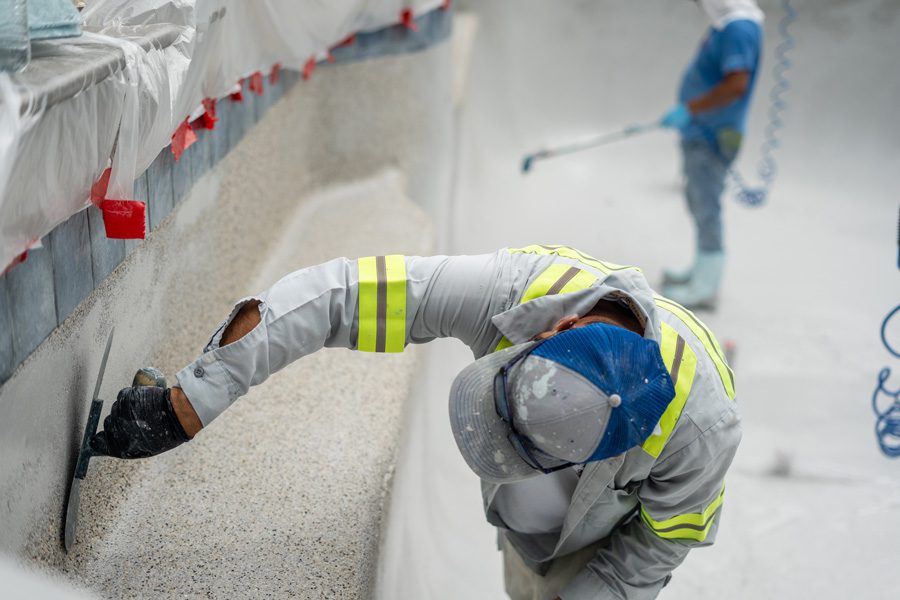
Pool resurfacing involves draining your pool, removing the old surface, preparing the shell, and applying a new, durable finish for a refreshed look and extended lifespan.
Could hurricane Irma hit Sarasota, Florida?
Hurricane Irma did impact Sarasota, Florida, causing significant damage. While future storms are unpredictable, preparedness is key.
How much does a pool resurfacing cost?
The cost of pool resurfacing varies based on pool size, material choice, and project complexity. Contact Florida Family Pools for a personalized quote.
What is evacuation zone A Sarasota County, Florida?
Evacuation Zone A in Sarasota County, Florida, is the area most vulnerable to storm surge and flooding during hurricanes.
What is the best pool resurfacing material?
The best pool resurfacing material depends on your budget and desired look. Options include plaster, quartz, and pebble finishes, each offering unique durability and aesthetics.
What does pool resurfacing cost?
Pool resurfacing costs vary based on pool size, material choice, and project complexity. Contact Florida Family Pools for a personalized quote tailored to your needs.
What does pool resurfacing mean?
Pool resurfacing means removing the old pool surface and applying a new one to enhance its appearance and durability.
What is pool resurfacing cost?
Pool resurfacing cost varies based on pool size, material choice, and project complexity. Contact Florida Family Pools for a personalized quote tailored to your needs.
Is pool resurfacing worth the expense?
Pool resurfacing is worth the expense as it revitalizes your pool's appearance, prevents leaks, and extends its lifespan, ultimately saving you money in the long run.
What types of materials are best?
The best pool resurfacing materials depend on your aesthetic and budget. Popular choices include plaster, quartz, and pebble finishes, each offering durability and unique looks for your Florida Family Pools project.
How long does pool resurfacing last?
Pool resurfacing typically lasts 10-15 years, depending on material and maintenance. Proper care extends its lifespan significantly.
What are the benefits of resurfacing?
The benefits of resurfacing your pool include enhancing its appearance, preventing leaks, and extending its lifespan for a beautiful and functional backyard oasis.
Does resurfacing improve pool safety?
Resurfacing your pool can indeed improve safety by smoothing rough surfaces, eliminating cracks, and providing better grip, thus reducing slip and fall hazards.
What is the typical resurfacing process?
The typical pool resurfacing process involves draining the pool, removing old plaster, preparing the surface, and applying new materials for a refreshed look and extended lifespan.
Are there financing options available?
Financing options are available for your pool project. We partner with trusted lenders to offer flexible payment plans, making your dream pool a reality.
What warranties are offered for resurfacing?
Warranties for resurfacing are offered to ensure your satisfaction and the longevity of your pool's new surface. We provide comprehensive warranty information during your consultation.
How do I prepare my pool for resurfacing?
Preparing your pool for resurfacing involves draining it completely. Florida Family Pools will handle the rest of the process for you.
What are common pool resurfacing problems?
Common pool resurfacing problems include cracking, delamination, and staining, which can affect the pool's appearance and structural integrity over time.
Can pool resurfacing change pool color?
Yes, pool resurfacing can absolutely change your pool's color. This service allows you to select from a wide range of new finishes and hues, giving your pool a fresh, updated look.
What is the average pool resurfacing time?
The average pool resurfacing time is typically 7 to 14 days, depending on the project's complexity and weather conditions.
How does resurfacing affect pool value?
Resurfacing a pool significantly enhances its value by improving its appearance and extending its lifespan, making it a more attractive feature for potential buyers.
What are signs your pool needs resurfacing?
Your pool needs resurfacing if you notice cracks, leaks, staining, or a rough texture on its surface. These issues detract from its appearance and can lead to further damage.
Can I resurface my own pool?
While you technically can resurface your own pool, it's a complex job best left to professionals like Florida Family Pools for a flawless finish.
What is the cost for Sarasota pools?
The cost for Sarasota pools varies based on size, materials, and specific project needs. Contact Florida Family Pools for a personalized quote.
Does resurfacing help with algae issues?
Resurfacing can help with algae issues by providing a fresh, smooth surface that is less porous and easier to keep clean, preventing algae from taking hold.
What makes Florida Family Pools unique?
Florida Family Pools stands out through its commitment to family-focused custom pool design, construction, and remodeling in Sarasota, creating lasting memories.