
Adding a pool is thrilling — but the timeline isn’t always straightforward. How long a new pool takes depends on the design, local permits, site conditions, and contractor schedules. This guide breaks down the typical construction stages, highlights Florida requirements that commonly affect timing, and explains the factors that can speed things up or slow them down. Read on and you’ll have a clear, practical sense of what to expect from start to finish.
What Are the Step-by-Step Phases of New Pool Construction?
Pool building usually follows a predictable sequence of phases. Knowing each step helps you plan your budget, schedule, and expectations more realistically.
How Does the Design and Planning Phase Affect Pool Build Time?
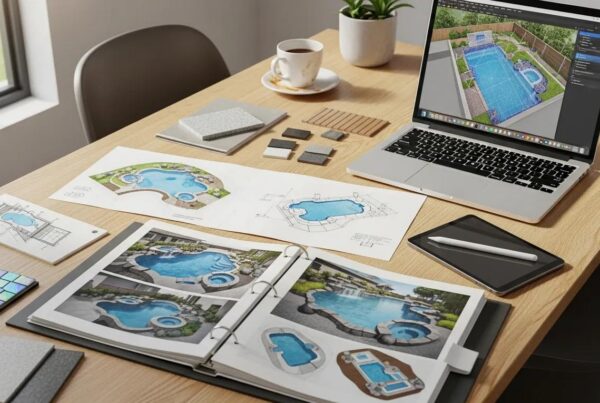
Design and planning set the project’s foundation. This is where you decide on shape, size, finishes, and special features. Simple, well-documented plans move faster; custom shapes, complex water features, or elaborate landscaping add time for drawings and revisions. Expect the planning stage to take anywhere from one to several weeks, especially if you’re adding bespoke elements like infinity edges or unique hardscaping.
What Happens During Permitting, Excavation, and Installation Phases?
After plans are finalized, you’ll apply for permits, then move to excavation and installation. Permit approval varies by jurisdiction and can take about one to six weeks. Excavation commonly takes two to five days depending on soil and access. Once the hole’s ready, the structural work, plumbing, and electrical installation typically run four to eight weeks. Each stage must be completed in order to keep the schedule on track.
How Do Florida-Specific Permitting and Regulations Impact Pool Construction Duration?
Florida has specific building codes and local permitting practices that often affect timing. Being familiar with these rules — and working with a contractor who knows them — helps prevent surprises and permit delays.
What Are the Key Florida Building Permits Required for Pool Construction?
In Florida you’ll generally need a building permit and an electrical permit; depending on the site, zoning or environmental permits may be required too. County procedures differ, and incomplete applications can slow approvals. Typically, gathering and receiving the necessary permits takes about one to six weeks, depending on local processing times and how complete your submission is.
How Do Recent Florida Regulatory Updates Affect Permit Timelines?
Recent code updates — for example, stricter pool barrier rules and updated electrical safety standards — can add documentation or inspection steps to the permit process. Those extra checks can lengthen approval times, so stay informed about code changes and confirm with your contractor that plans meet current requirements before submitting them.
What Factors Commonly Influence the Average Pool Build Time?
Several predictable factors affect overall timing. Anticipating them will help you set a realistic schedule and avoid frustration.
How Do Weather Conditions and Material Choices Affect Construction Duration?
Weather is a major variable: heavy rain, hurricanes, or extreme heat can pause excavation and installation. Material choices matter too — custom or imported tiles, specialty finishes, and long-lead equipment can add weeks to delivery. Factor local climate patterns and lead times into your plan when estimating completion.
What Role Does Contractor Availability Play in Project Timelines?
Contractor bandwidth matters, especially in busy seasons like spring and summer. High demand can push your start date out weeks or months. Start vetting contractors early, get multiple quotes, and confirm a realistic start and finish date before signing a contract.
How Long Does Pool Remodeling and Repair Typically Take Compared to New Construction?
Remodels and repairs usually follow a different schedule than new builds. The scope of work determines whether a project is a quick fix or a full renovation.
What Are the Typical Timelines for Pool Remodeling Projects?
Minor remodeling — resurfacing, tile replacement, or small equipment swaps — can often be completed in a few days to one or two weeks. Larger renovations, such as adding features, changing the shape, or updating mechanical systems, commonly take several weeks. Discuss the scope with your contractor to set accurate expectations.
How Do Repair Timelines Vary Based on Pool Type and Damage?
Repair methods and timelines depend on pool construction: fiberglass repairs differ from concrete or gunite work, and each requires different materials and curing times. Significant structural damage or major equipment failure will lengthen the schedule. Have a professional assess the damage so you get a realistic repair timeline.
How Can Homeowners Choose the Right Pool Contractor in Florida to Ensure Timely Completion?
Picking the right contractor is one of the best ways to protect your timeline and investment. Look beyond price and focus on experience, communication, and reliability.
What Should You Look for When Selecting a Pool Construction Contractor?
Choose contractors with proven experience, proper licensing and insurance, and strong customer reviews. Ask for references and examples of completed projects similar to yours. A contractor who communicates clearly about schedule risks and contingency plans is often worth a premium.
How Does Expert Consultation Help Streamline the Pool Building Process?
Early consultation with designers and contractors helps you make informed material and design choices, anticipate permit needs, and avoid costly changes later. Bringing experts into the planning stage typically shortens the overall timeline and reduces the chance of unexpected delays.
Frequently Asked Questions
What are the common challenges faced during pool construction?
Common issues include unexpected subsurface conditions (rock or high water table), weather interruptions, and permit delays from incomplete or revised plans. Clear communication with your contractor and contingency allowances in your schedule help manage these risks.
How can homeowners prepare for the construction process?
Prepare by setting a realistic budget and timeline, researching local permit rules, and selecting a qualified contractor early. Finalize your design choices so planning moves quickly, and plan landscaping and access around the work area to avoid site access problems.
What maintenance should be considered after pool construction?
Routine maintenance includes cleaning, water-chemistry balancing, and regular checks of pumps, filters, and heaters. Seasonal tasks (like winterizing in cooler areas) and scheduled equipment servicing will keep the pool safe and extend its life. Many owners hire a service for ongoing maintenance.
Are there financing options available for pool construction?
Yes — homeowners often use personal loans, home equity loans, or lines of credit. Some contractors offer financing or partner with lenders. Compare interest rates and terms to find the option that fits your budget
What are the benefits of adding features like lighting or heating to a pool?
Lighting improves night-time use and ambiance, while heating extends your swim season and comfort. Both features enhance usability and can add value to the property — consider them part of long-term enjoyment and resale appeal.
How can homeowners ensure safety during and after pool construction?
During construction, work with licensed contractors who follow safety protocols. After completion, install required barriers, alarms, and safety covers, and supervise children around water. Proper fencing and adherence to local safety codes are essential for peace of mind.
Get A Free Quote