
Owning a pool in Florida comes with unique challenges: heat, humidity, frequent storms, and nearby foliage all work together to accelerate algae growth and debris buildup. This guide gives you practical, day-to-day advice on cleaning, chemical balance, and equipment care so your pool stays safe, inviting, and low-maintenance. Follow these steps to avoid costly repairs and enjoy your backyard more. We cover cleaning frequency, chemical best practices, equipment upkeep, safety rules, energy-saving upgrades, and when to consider resurfacing or remodeling.
How often should you clean your Florida pool?
Consistent cleaning is the best defense against cloudy water and algae—especially in Florida’s warm, humid climate. How often you clean depends on use, weather, and nearby trees or plants. Set a routine that fits your situation to keep water clear and swimmers safe.
Daily and weekly pool cleaning tips for Florida homeowners
Simple daily and weekly tasks prevent small problems from becoming big ones. Make a habit of the following:
- Skim the surface daily: Remove leaves, bugs, and floating debris before they sink and rot.
- Check water levels: Hot days and wind can lower levels quickly—top off as needed so the skimmer works properly.
- Brush walls and tiles weekly: Regular brushing stops algae and scale from taking hold.
Weekly chores should also include vacuuming the pool floor and emptying skimmer and pump baskets. If you prefer professional help, consider routine pool maintenance plans to keep everything on track.
Seasonal cleaning schedules tailored to Florida’s climate
Seasons affect your maintenance needs. Spring and summer bring more rain and heat—conditions that promote algae—so you may need to clean more often. In the fall, be ready for extra leaf removal if you have trees nearby.
- Increase cleaning in peak season: More skimming and vacuuming during spring and summer keeps the water clear.
- Adjust for leaf fall: Add extra brush-and-skim sessions when trees are shedding.
Adapting your routine to seasonal shifts keeps water quality steady year-round.
What are the best practices for pool chemical balance in Florida?
Correct chemical balance is essential for clear water and swimmer comfort. Warm weather speeds up chemical use, so test and adjust more often than you might in cooler climates.
Understanding Florida pool chemical balance requirements
Keep these core levels in range to protect equipment and swimmers:
- pH: Aim for 7.4–7.6 so chlorine works effectively and swimmers stay comfortable.
- Free chlorine: Maintain 1–3 ppm to sanitize the water safely.
Regular testing prevents algae and keeps your pool safe to use.
Safe and effective use of pool chemicals in humid climates
Handle chemicals with care—humid, warm storage areas can shorten shelf life and increase risk. Follow these safety steps:
- Store chemicals properly: Keep them dry, cool, and out of direct sun to preserve potency.
- Use PPE: Gloves and goggles protect you when dosing or mixing chemicals.
- Follow instructions: Stick to label directions for correct dosing and safe application.
These habits keep you safe and your pool chemistry stable.
How do you maintain and repair pool equipment in Florida?
Routine equipment checks extend the life of pumps, filters, and heaters—and prevent surprise breakdowns. A small weekly inspection can save time and money.
Routine pool filter cleaning and pump maintenance guide
Keep these maintenance steps on your checklist:
- Clean the filter regularly: Backwash or clean cartridges based on the manufacturer’s schedule to maintain circulation.
- Inspect the pump: Listen for odd noises and check for leaks that may indicate wear or failing seals.
- Monitor water flow: Reduced flow can mean a clogged filter, impeller problem, or a blockage in the lines.
Routine attention improves efficiency and extends equipment life.
Identifying and troubleshooting common Florida pool equipment issues
Watch for these frequent problems:
- Clogged filters: Clean filters to restore normal flow and filtration.
- Algae blooms: Often a sign of low sanitizer levels or poor circulation.
- Pump issues: Unusual sounds or leaks usually need prompt attention to avoid bigger failures.
Catch problems early with regular checks to avoid costly repairs later.
What safety regulations should Florida pool owners follow?
Safety is nonnegotiable. Know local rules and adopt basic protections to keep everyone safe around your pool.
Local pool safety standards and compliance in Florida
Florida enforces several safety measures for residential pools, including:
- Fencing requirements: A barrier of at least 4 feet helps prevent unsupervised access.
- Alarm systems: Many municipalities require pool alarms to alert you to unauthorized entry.
Confirm local codes for your area to stay compliant and reduce liability.
Essential safety tips for Florida swimming pools
Beyond regulations, adopt these practical safety steps:
- Supervise children: Never leave children unattended near the water.
- Keep emergency gear handy: Life rings, shepherd’s hooks, and a first-aid kit should be easy to reach.
Layering simple precautions makes your pool a safer place for family and guests.
How can you upgrade your Florida pool for energy efficiency?
Energy upgrades cut costs and reduce environmental impact. For many Florida pools, the right equipment swap pays for itself over time.
Benefits of energy-efficient pool pumps and saltwater systems
Consider these advantages:
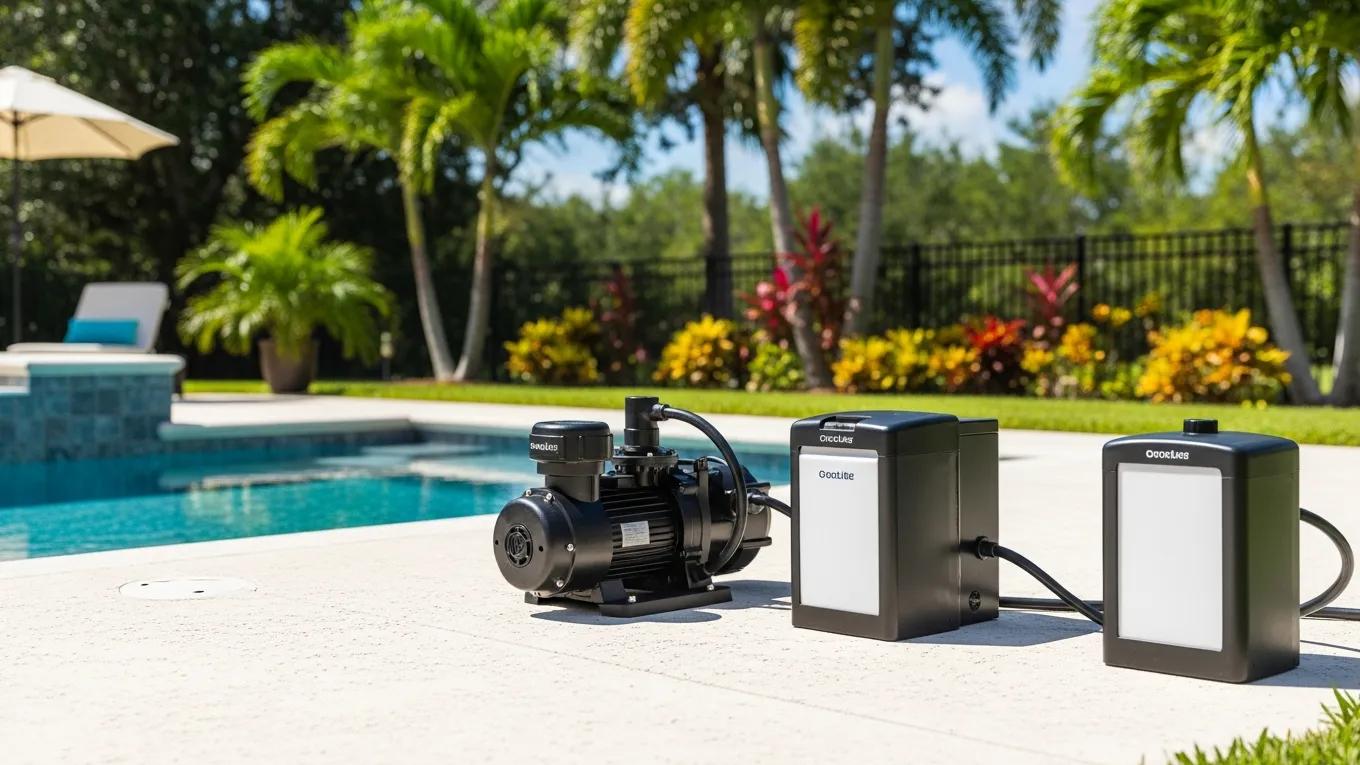
- Lower energy bills: Variable-speed pumps use far less electricity than single-speed models.
- Reduced chemical needs: Saltwater systems generate chlorine and often lower routine chemical use, improving swimmer comfort.
These upgrades improve performance and can save money over the life of your pool.
Research shows measurable energy and cost savings when homeowners switch to variable-speed pool pumps.
This report compares energy use and basic costs of keeping single-speed pumps versus switching to variable-speed models. It outlines potential savings, provides a simple cost comparison, and offers a step-by-step checklist for inspecting your pool area and installing a new pump.
Case studies on sustainable pool renovations in Florida
Homeowners across Florida have seen real results. For example, one Sarasota homeowner swapped a single-speed pump for a variable-speed unit and cut energy costs by roughly 50%. Small investments like this often deliver meaningful long-term savings.
When should you schedule pool resurfacing and remodeling in Florida?
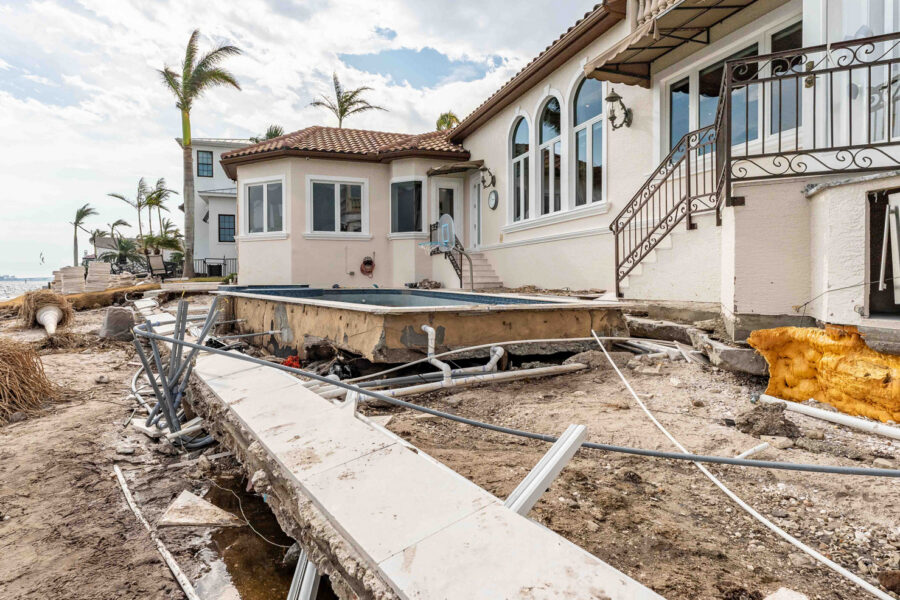
Resurfacing and remodeling keep your pool safe and attractive. Recognizing early warning signs helps you plan work before problems get worse.
Signs your Florida pool needs resurfacing or remodeling
Watch for these indicators that resurfacing may be necessary:
- Visible cracks or chips: Surface damage can lead to leaks and escalates over time.
- Rising maintenance costs: If upkeep gets progressively more frequent or expensive, resurfacing may be more cost-effective.
Tackling issues early can prevent larger repairs and restore your pool’s appearance.
Choosing professional pool remodeling and resurfacing services in Sarasota
When hiring a contractor, follow these steps:
- Research local contractors: Read reviews and view portfolios to evaluate past work.
- Check references: Speak with previous clients to confirm quality and reliability.
Ask for detailed estimates that spell out scope, materials, and timeline. If you’re planning a major update, explore pool remodeling options. For new builds, see Florida Family Pools’ construction services to get started.
Frequently Asked Questions
What are the common signs that indicate my pool needs cleaning?
Look for cloudy water, floating or settled debris, and visible algae on walls or the floor. Skin or eye irritation, or a strong chemical odor after swimming, can also signal poor water quality. Regular visual checks and a simple cleaning routine prevent these issues from worsening.
How can I prevent algae growth in my Florida pool?
Keep chemicals balanced, maintain circulation, and clean regularly. Test pH and chlorine weekly—aim for pH 7.4–7.6 and chlorine at 1–3 ppm—brush surfaces weekly, and run your pump long enough each day to keep water moving. Using a pool cover when not in use also helps limit sunlight and debris.
What should I do if my pool water is cloudy?
Start by testing pH and chlorine and correct any imbalances. Clean or backwash your filter and consider a clarifier if particles are too small to trap. If cloudiness persists, check for algae or pump issues and call a pro if you can’t restore clarity quickly.
How often should I test my pool water?
Test at least once a week in Florida—and more often during hot weather, heavy use, or after storms. Keep a simple log of results to spot trends and make adjustments before problems start.
What are the benefits of using a saltwater pool system?
Saltwater systems generate chlorine from salt, which can mean gentler water for skin and eyes and reduced need for added chemicals. Although the upfront cost can be higher, many owners find long-term savings and improved comfort make saltwater systems worthwhile.
How can I enhance the safety of my pool area?
Install a compliant fence at least 4 feet tall, use pool alarms, keep emergency equipment within reach, and always supervise children. Consider safety covers and basic swim lessons for family members to reduce risk further.
What factors should I consider when choosing a pool contractor for remodeling?
Prioritize experience, reputation, and clear communication. Review portfolios, check references, and get written estimates detailing scope, materials, and timelines. Verify licensing and insurance, and choose a contractor who answers your questions clearly throughout the project.