
For Florida homeowners, hurricane season is a fact of life. While most people focus on stocking up on supplies and securing their homes, it’s just as important to prepare your pool and outdoor living space before a storm arrives.
Taking a few preventative measures can help protect your investment, minimize damage, and make cleanup easier once the weather clears. Whether you have a new custom pool or have enjoyed your backyard oasis for years, these hurricane preparedness tips can help you head into the season with confidence.
1. Don’t Drain Your Pool
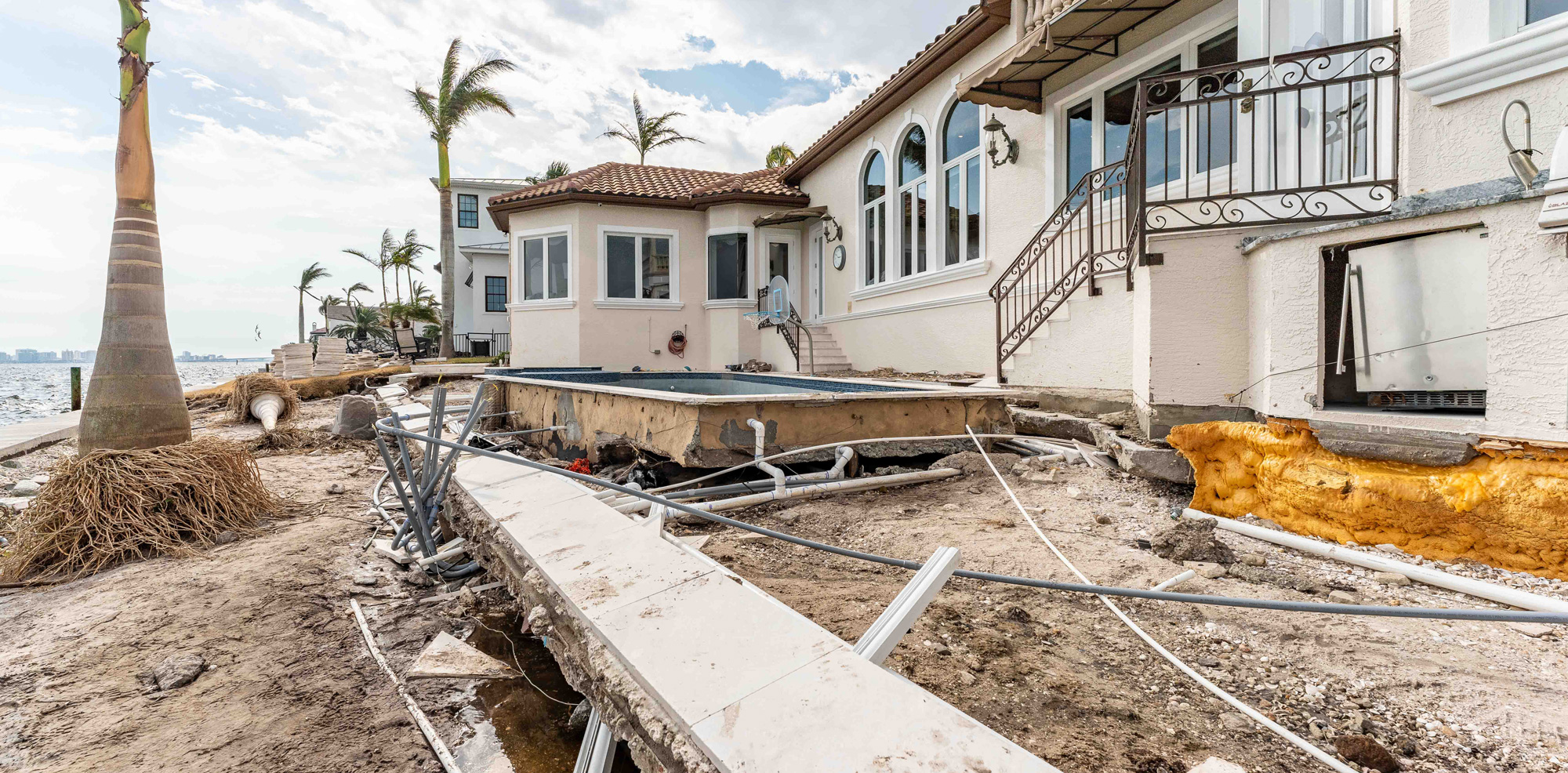
One of the most common misconceptions about hurricane preparation is that you should drain your pool before a storm. In reality, draining your pool can cause serious structural damage. Pools are designed to work with the surrounding groundwater pressure. Removing too much water can allow that pressure to push upward against the shell, potentially causing cracking, shifting, or even lifting in extreme cases.
The best practice is to leave the water in place unless otherwise advised by a qualified pool professional.
2. Turn Off Pool Automation and Equipment
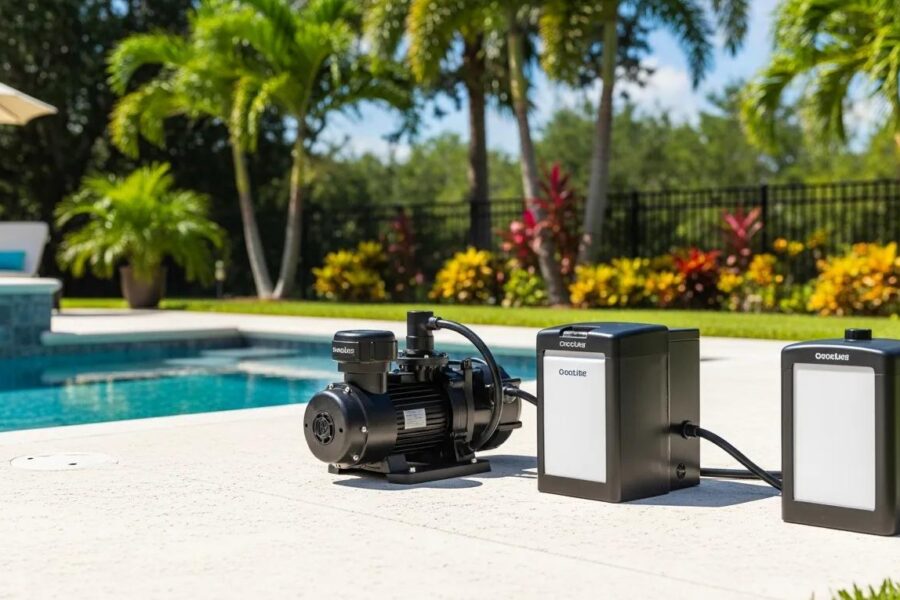
As a storm approaches, power outages and electrical surges become a concern. If severe weather is imminent, turn off your pool automation systems, pumps, heaters, lights, and breakers according to manufacturer recommendations. This can help reduce the risk of electrical damage and costly repairs once power is restored.
If you are unsure how to safely shut down your system, consult your pool service provider beforehand.
3. Remove Loose Outdoor Items
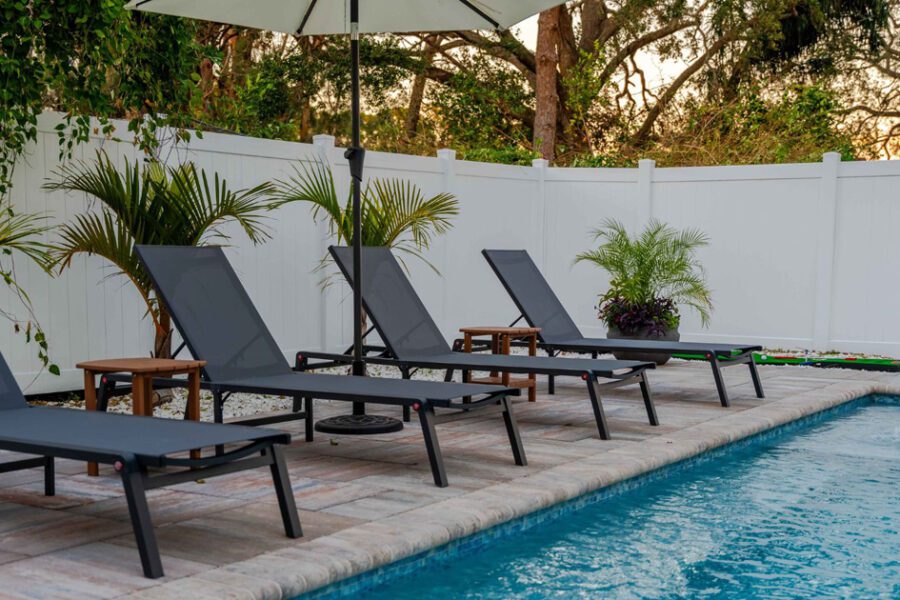
Anything not secured can become airborne during high winds. Pool floats, umbrellas, lounge chairs, planters, toys, decorative accessories, and even small tables should be brought indoors or secured in a protected location.
Removing loose items not only protects your pool area but also helps prevent damage to your home, pool cage, and neighboring properties.
4. Lower the Water Level Slightly (If Appropriate)
Depending on your pool design and local conditions, a slight reduction in water level may help accommodate heavy rainfall. However, this should be done carefully and only if recommended for your specific pool. Removing too much water can create the same structural concerns discussed earlier.
When in doubt, consult your pool professional before making adjustments.
5. Store Pool Chemicals Safely
Pool chemicals should always be stored in a dry, secure location, but this becomes especially important during hurricane season. Move chemicals away from areas prone to flooding and keep them elevated whenever possible. Floodwater contamination can create safety hazards and damage chemical supplies.
Proper storage helps protect both your family and the environment.
6. Document Your Pool and Outdoor Living Space
Before a storm arrives, take photos and videos of your property. Document your pool, equipment pad, screen enclosure, decking, outdoor kitchen, landscaping, and other outdoor features. This visual record can be extremely valuable if you need to file an insurance claim after the storm.
A few minutes with your phone today can save significant time and stress later.
7. Trim Trees and Overhanging Branches
Florida’s lush landscaping is beautiful, but overgrown trees can create problems during severe weather. Trim dead limbs, weak branches, and overhanging vegetation that could fall onto your pool cage, screen enclosure, equipment, or deck.
Preventative pruning can help reduce debris and minimize storm-related damage.
8. Inspect Your Pool Cage and Screen Enclosure
Your pool cage is often one of the first outdoor structures impacted by high winds. Inspect screens for tears, check doors for proper alignment, and look for loose fasteners, corrosion, or signs of structural wear. Addressing minor repairs before storm season reaches its peak can help prevent more significant damage later.
Routine maintenance is one of the most effective ways to extend the life of your enclosure.
9. Balance Your Water Chemistry
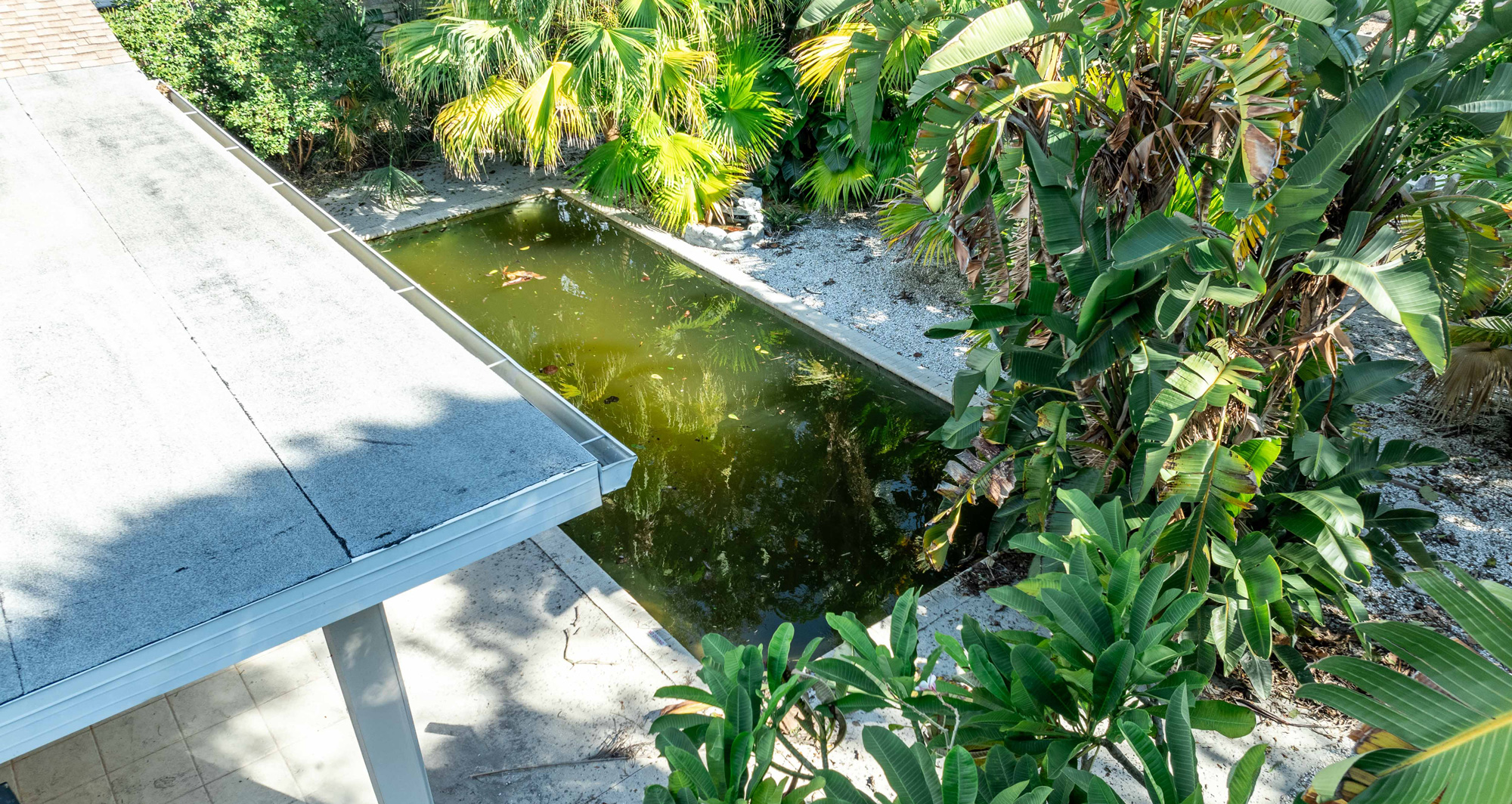
Properly balanced water can make a big difference after a storm. Balanced water helps reduce algae growth, protects surfaces and equipment, and can make post-storm cleanup much easier if power is lost for several days.
Before a storm arrives, test and adjust your pool chemistry to ensure everything is operating within recommended ranges.
10. Wait Until Conditions Are Safe After the Storm
Once the storm passes, resist the urge to immediately restart your equipment. Inspect your pool area carefully for debris, damaged screens, fallen branches, standing water, and electrical concerns. Check equipment for visible damage before restoring power and restarting systems.
If you suspect any electrical issues, contact a qualified professional before operating your pool equipment.
Preparation Today Can Prevent Problems Tomorrow
While no one can predict what hurricane season will bring, a little preparation goes a long way. Protecting your pool, equipment, screen enclosure, and outdoor living space before a storm can help minimize damage, reduce repair costs, and make recovery much easier afterward.
At Family Pools, we’re committed to helping homeowners enjoy their pools year-round. If you have questions about your pool equipment, outdoor living space, or hurricane season preparation, our team is always here to help.
Stay safe, stay prepared, and enjoy the season ahead.